
面接合と点接合の荷重のかかり方の違い
How Loads Are Carried: Surface Joints vs. Point Joints
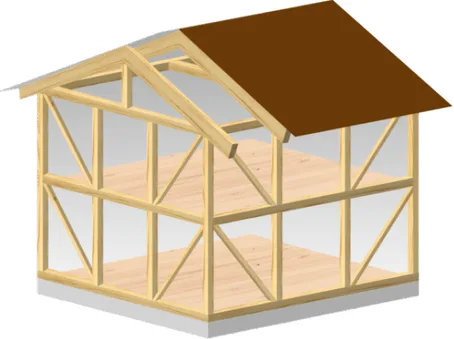
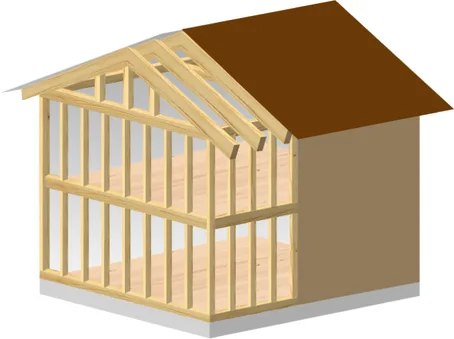
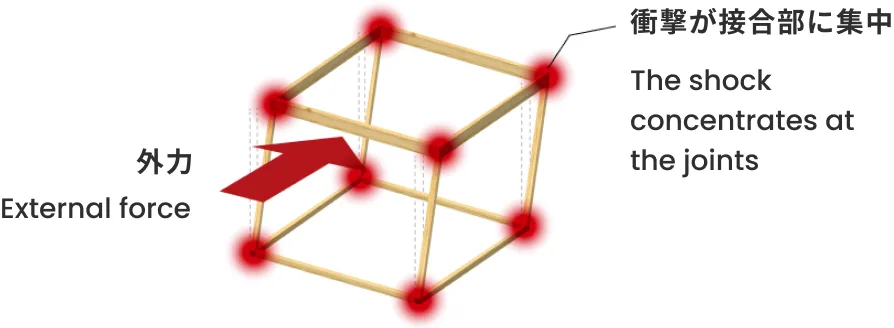
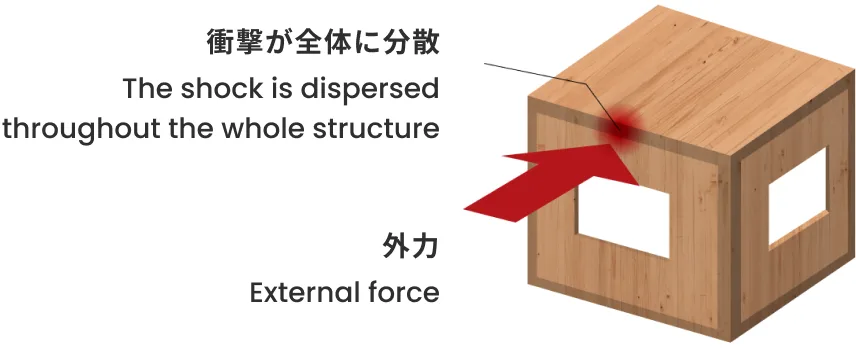
Cosmo Kensetsu uses the “2×4 method,” joining surfaces with CN nails—thicker than the nails used in conventional post-and-beam construction—together with metal connectors, to form a six-sided box made up of the floor, walls, and roof. In the post-and-beam (axial framing) method, which is built from wooden or steel columns and beams, loads are carried through jointed connection points. External forces concentrate at these points, making joints more prone to shifting or breaking. By contrast, in the 2×4 method, high-performance load-bearing wood panels distribute forces evenly across the entire surface of the building, delivering superior strength. By adopting the 2×4 method, Cosmo Kensetsu achieves not only safety performance—such as high earthquake, wind, and fire resistance—but also comfort and energy efficiency through excellent insulation and airtightness.
コスモ建設は、在来工法で使用する釘より一回り太いCN釘と接合金物を使用することによって面接合し、床面・壁面・屋根面からなる6面体を形成する「2×4工法」を採用しています。 木や鉄の柱・梁によって構成される「軸組み工法」は、構造部分を“面”で接合するため、外部からの荷重が接合点に集中してしまい、接合のズレや破損などが生じやすくなります。 これに対し「2×4工法」では、すぐれた耐力壁である木質パネルが建物の面」全体に分散してバランスよく受け止めることになり、高い強度を実現します。 コスモ建設は「2×4工法」を採用することで高い耐震性や耐風性・耐火性などの安全性能をはじめ、断熱性・気密性による快適性能や省エネ性能を実現しています。
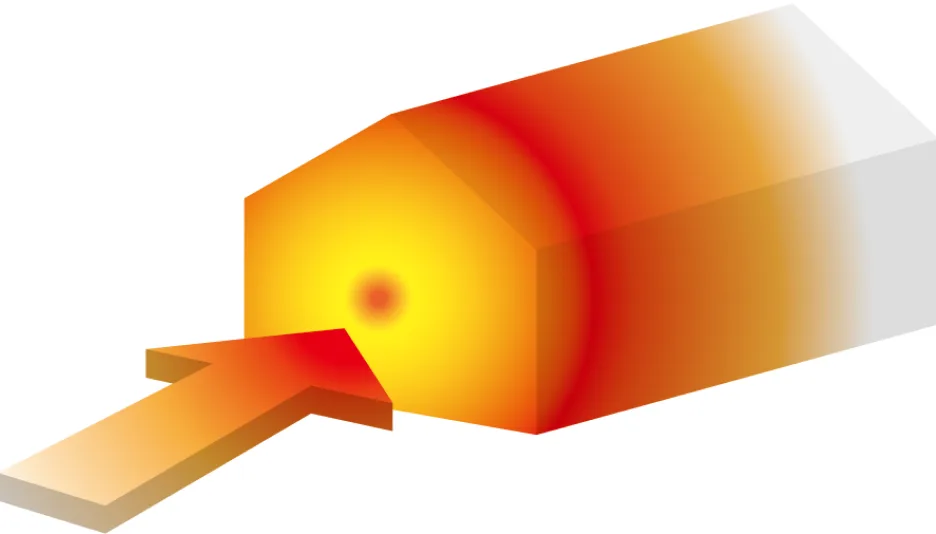
面接合(2×4工法)
Surface Joining (2×4 Method)
External loads are instantly distributed and absorbed across the entire surface of the building, delivering high strength.
外部からの荷重を建物の面全体で瞬時に分散し受け止めることができ、高い強度を発揮する。
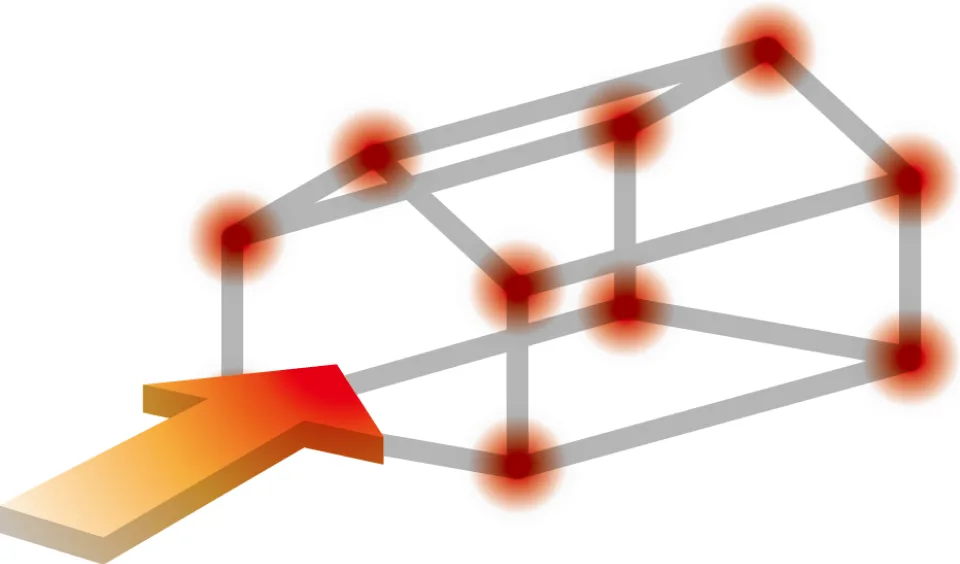
点接合(軸組み工法)
Point Joining (Post-and-Beam Method)
External loads tend to concentrate at connection points such as beams and columns, so the structure as a whole can lack sufficient strength.
外部からの荷重が梁や柱などの結合部に集中しやすく、全体として強度が不足する場合がある。